What Does a Full-Stack Development Company Do for Modern Businesses?
Frantic is a trusted Full-stack development company helping modern businesses build scalable, secure, and high-performance digital solutions.
In today’s fast-moving digital economy, businesses need technology solutions that are scalable, secure, and adaptable to constant change. This is where a Full-stack development company becomes a strategic partner rather than just a service provider. Instead of managing multiple vendors for design, backend logic, databases, and deployment, businesses can rely on one integrated team to build, maintain, and optimize their entire digital ecosystem.
Modern businesses no longer compete only on price or product; they compete on experience, speed, and innovation. A well-structured digital platform can determine how customers perceive a brand, how efficiently teams work internally, and how quickly a company can respond to market demands. Full-stack development bridges the gap between business vision and technical execution.
Understanding Full-Stack Development in a Business Context
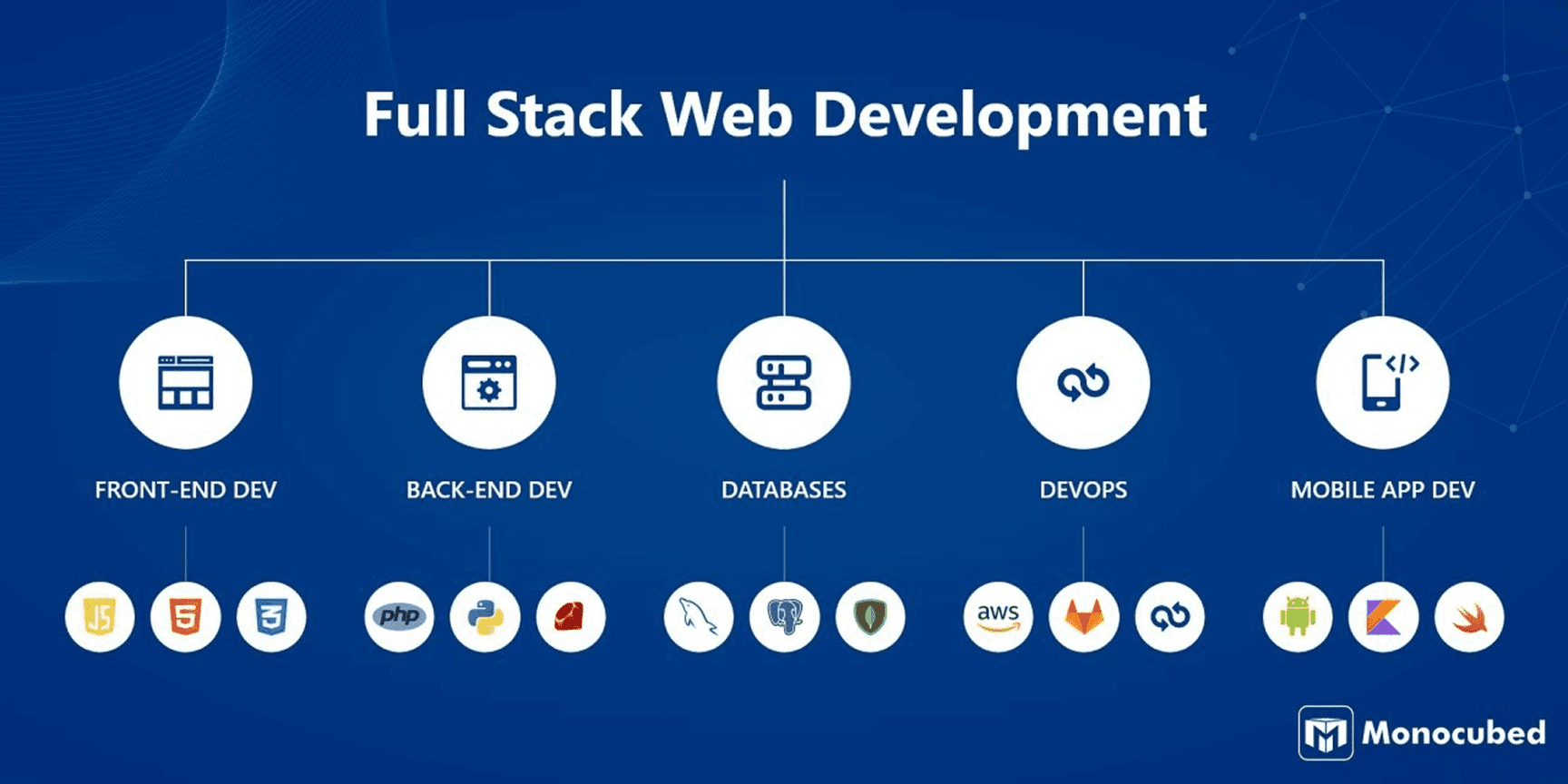
Full-stack development refers to the ability to work on both the front end (what users see and interact with) and the back end (servers, databases, APIs, and logic). A full-stack team understands how these layers communicate and how changes in one layer affect the entire system.
For businesses, this means fewer technical blind spots. Decisions are made with a holistic understanding of performance, security, scalability, and user experience. Whether it’s a web application, mobile app, SaaS platform, or enterprise system, full-stack development ensures all components work together seamlessly.
Strategic Planning and Technology Consulting
One of the most valuable roles a full-stack team plays is in early-stage planning. Instead of jumping straight into coding, they analyze business goals, user journeys, competition, and long-term scalability requirements. This strategic approach reduces costly revisions later.
A Full-stack development company helps businesses choose the right technology stack, frameworks, programming languages, databases, and cloud services, based on current needs and future growth. This ensures the product is not only functional today but also adaptable tomorrow.
End-to-End Product Development
From ideation to launch, full-stack teams handle the entire development lifecycle. This includes UI/UX design, front-end development, back-end architecture, database management, API integrations, testing, and deployment.
For businesses, this unified workflow results in faster development cycles and fewer communication gaps. Since the same team oversees all layers, issues are identified early, dependencies are managed efficiently, and product quality remains consistent throughout development.
Building Scalable and Secure Systems
Modern businesses must be prepared for growth. A sudden increase in users, transactions, or data can break poorly designed systems. Full-stack developers design architectures that scale smoothly, using modular code, cloud infrastructure, and performance optimization techniques.
Security is another critical responsibility. From data encryption and secure authentication to compliance with industry standards, a Full-stack development company ensures that business applications are protected against vulnerabilities while maintaining performance and usability.
Seamless Integration with Third-Party Tools
Today’s digital platforms rarely operate in isolation. They integrate with payment gateways, CRMs, ERPs, analytics tools, marketing platforms, and more. Full-stack teams manage these integrations efficiently, ensuring data flows smoothly between systems without compromising security or performance.
This capability allows businesses to automate processes, gain better insights, and deliver richer customer experiences without building everything from scratch.
Maintenance, Optimization, and Continuous Improvement
Launching a digital product is only the beginning. Ongoing maintenance, performance optimization, feature updates, and bug fixes are essential for long-term success. Full-stack teams provide continuous support, monitor system health, and improve functionality based on user feedback and business metrics.
For modern businesses, this means staying competitive in a constantly evolving digital landscape without rebuilding systems repeatedly.
Supporting Digital Transformation Initiatives
Many organizations are undergoing digital transformation, modernizing legacy systems, moving to the cloud, or adopting new digital business models. Full-stack developers play a key role in this transition by refactoring old codebases, migrating data securely, and building modern interfaces on top of existing systems.
Their broad technical expertise allows them to balance innovation with stability, minimizing disruption to business operations.
Why Businesses Prefer Full-Stack Teams
From startups to large enterprises, businesses prefer full-stack teams because they reduce complexity. Instead of coordinating between designers, backend engineers, DevOps teams, and QA specialists, companies work with a unified group that understands the entire product.
This leads to faster decision-making, better accountability, and improved ROI on technology investments.
Conclusion
In an era where technology directly influences growth, efficiency, and customer trust, choosing the right technology partner is a business-critical decision. A Full-stack development company enables modern businesses to build cohesive, scalable, and future-ready digital solutions without the complexity of managing multiple vendors. Frantic stands out by delivering end-to-end development expertise, strategic thinking, and reliable execution, helping businesses transform ideas into robust digital products that evolve with changing market demands.
Latest Articles
Artificial Intelligence (AI) Development: Shaping the Future of Technology
Explore AI development services that drive automation, innovation, and growth. Build scalable, secure, and intelligent solutions tailored to modern business needs.
How Can Custom App Development Services Help Startups Scale Faster
Discover how custom app development services empower startups to scale faster with tailored solutions, better performance, and long-term growth.